
This page reads city activities as part of daily planning. Boats, fishing, homes, and mini-games may be leisure, progression, resource gathering, social access, or some mix of those jobs.
Before launch, the useful approach is to identify what each activity might affect. After launch, this page should turn those activities into routes, rewards, unlocks, and timing notes.
Boat Travel and Fishing

Official features say players can explore the city with their own boat and go fishing. That pairs naturally with the ocean-to-clouds city description. Water travel may be a navigation system, a leisure activity, a resource path, or all three.
Before release, the practical note is that fishing may connect back to business. If fish or water-gathered items become ingredients, fishing routes will matter for restaurant planning. If fishing is mainly leisure or relationship content, it belongs in a daily schedule guide instead. The key launch-day checks are location access, time cost, species variety, and whether caught items can be sold, cooked, gifted, or displayed.
Boat travel is also a map question. If districts are separated by water, route planning can affect opening hours, relationship meetings, fishing windows, and curfew safety. If boats are mostly optional exploration, they still matter for screenshots, collection routes, and the feel of living in the city.
Homes and Customization
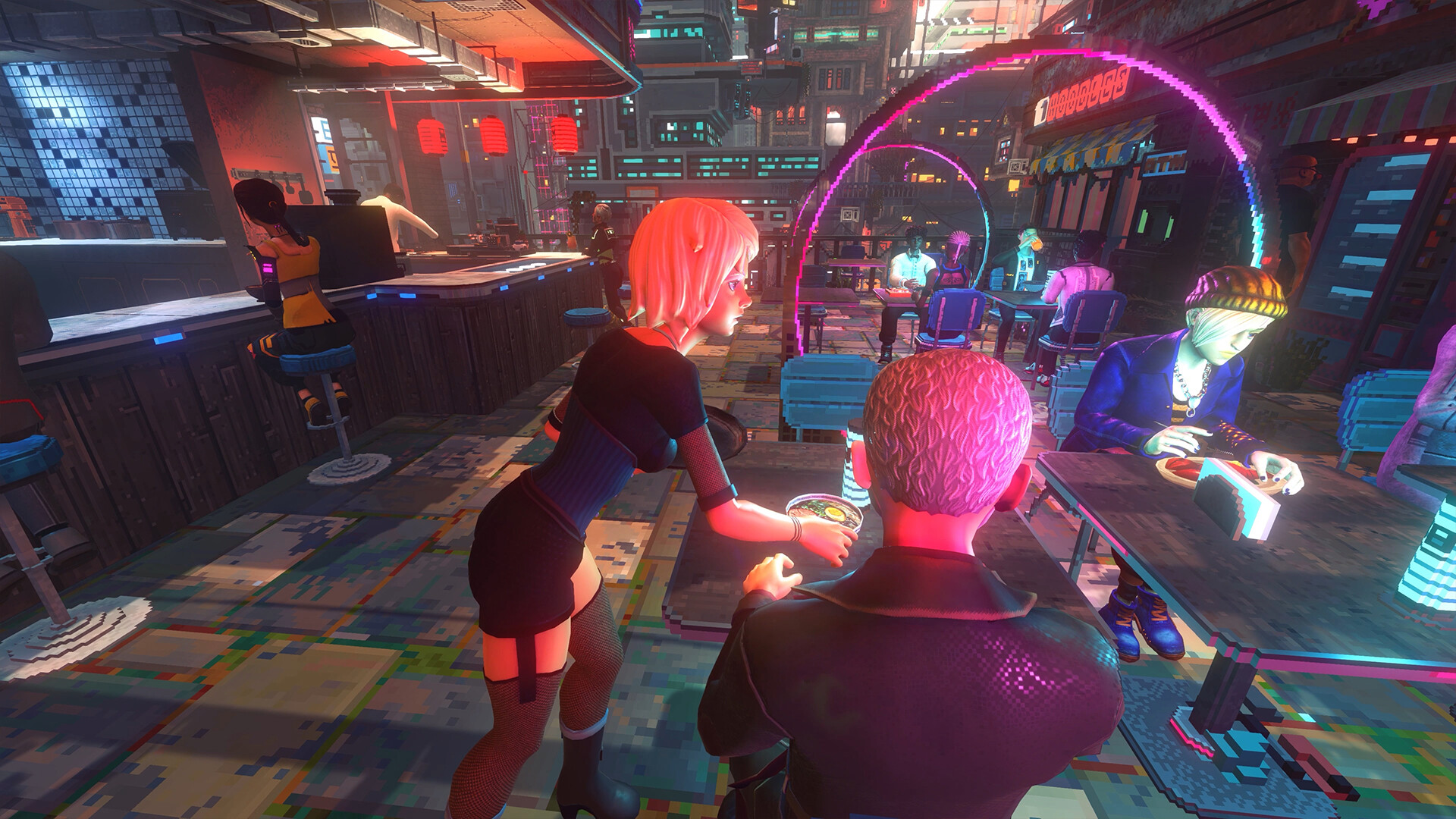
The official feature list includes decorating homes, buying and customizing a new home, and customizing spaces for friends. That is a stronger commitment than a single room skin. It suggests personal spaces are part of social life and long-term city identity.
Until prices and locations are public, focus on what homes are likely to affect: personal style, storage, social spaces, friend customization, and how much time you spend away from the business floor.
The launch guide should check whether homes have mechanical value. Storage, sleep, cooking, growing ingredients, friend visits, romance scenes, and fast travel would all change how players prioritize housing. If homes are mostly cosmetic, the best wiki treatment is a gallery and unlock list rather than a money-route guide.
Players should also watch whether friend spaces are separate from personal homes or part of the same customization system. That one detail decides whether the housing guide belongs under decoration, relationships, or both.
Mini-Games and Chess
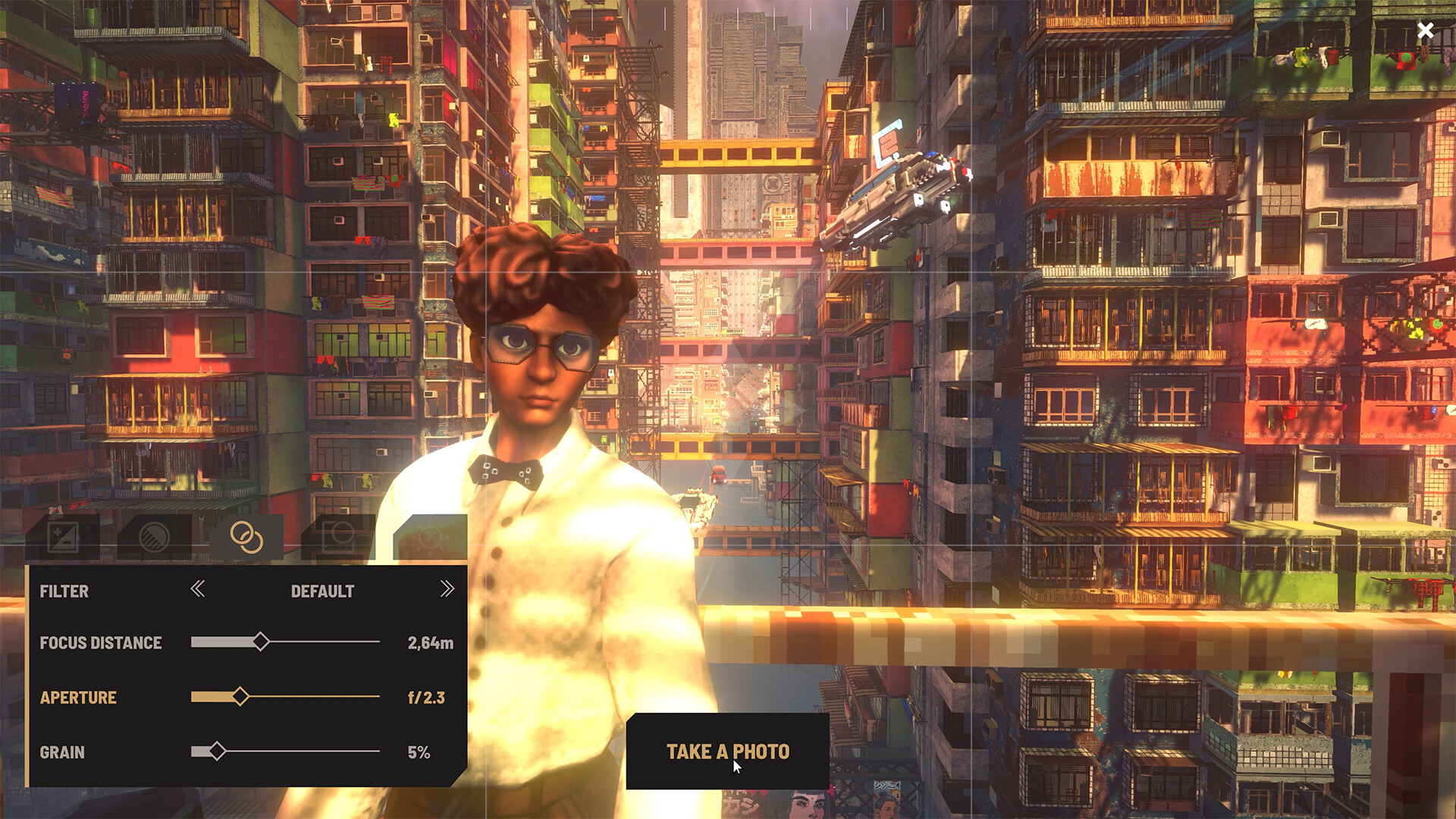
Steam and 505 mention NPC mini-games and a high-stakes cyberpunk chess tournament. That gives the city a social skill layer beyond business revenue. If launch data includes named opponents, rewards, or tournament tiers, those fields should become a compact table rather than long speculation.
The chess note is also useful for player expectations. Nivalis Nights may reward slower city mastery as much as fast business expansion. A wiki that only tracks money routes would miss part of the promise.
Mini-games can be small, but they often become important when tied to relationships, unique rewards, achievements, or daily time. The first post-launch version of this page should check opponent names, entry requirements, repeatability, rewards, and whether losing has any cost.
If chess has tournament brackets, ranked opponents, entry fees, or unique prizes, it deserves its own guide. If it is mainly a recurring side activity, a compact opponent and reward list will be more useful than a long theory page.
Launch-Day Activity Checks

These checks keep the city page useful for players who are not only min-maxing income. Nivalis Nights is selling a place to live in, so activity pages should eventually help with routes, timing, rewards, and atmosphere without flattening the game into one money loop.
The first update after release should record which activities are available on day one and which require business progress, relationship progress, money, home ownership, or district access. That unlock order will matter more to most players than a generic feature list.
- Which activities consume time, and which can be done freely between business tasks?
- Does fishing produce ingredients, gifts, money, collection entries, or only leisure value?
- Can the boat reach unique locations, shortcuts, shops, homes, or relationship events?
- Do home upgrades affect storage, recovery, farming, social scenes, or fast travel?
- Do mini-games unlock achievements, relationship progress, business rewards, or cosmetics?
Activity Priority
The player priority after launch should be simple: identify whether an activity affects money, relationships, movement, collection, achievements, or only atmosphere. All of those can be valid, but they belong in different guide shapes.
Money activities need profit and time notes. Relationship activities need location, schedule, and preference notes. Movement activities need routes and shortcuts. Collection activities need checklists. Pure atmosphere activities can still matter because they make the city memorable, but they should not be presented as mandatory progression.
This also helps players choose how to spend time. A completion-focused player needs rewards and achievements. A roleplay-focused player may care more about homes, friends, and city mood. A business-focused player needs to know whether an activity feeds ingredients, customers, reputation, or safe travel. The page should support all three play styles without forcing one route or one definition of progress.