
This page explains the announced systems as a player loop. It does not claim to know the final economy, but it does show which activities are likely to compete for your day once the game unlocks.
Read it if you want to understand what kind of life-sim Nivalis Nights appears to be: part business planner, part social city sim, part home and activity game, with curfew risk sitting under the cozy surface.
Daily City Loop
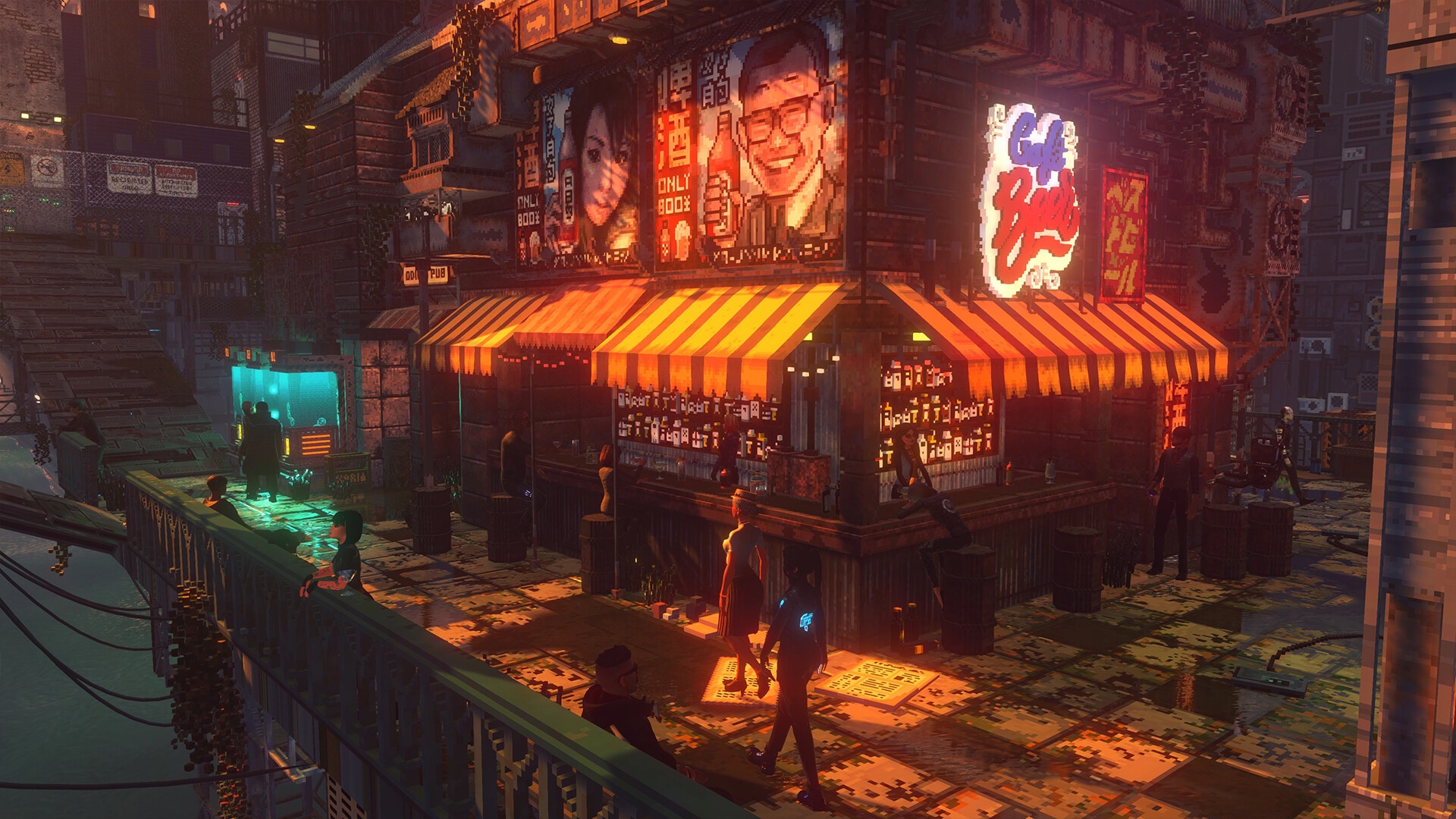
Official descriptions say every day is a choice. That is the key design clue. The player is not only optimizing one restaurant screen. A day can be spent growing a business, meeting residents, collecting or growing ingredients, moving through the city by boat, fishing, decorating, joining mini-games, or pursuing more aggressive rivalry plays during curfew.
Before release, think of the day as a loop: preparation, business operation, city errands, social time, home upgrades, and night-risk decisions. If the launch build uses time blocks, stamina, opening hours, or event windows, those rules will decide which activities compete with each other.
The practical player question is priority. Should a day begin with ingredients, customers, friends, fishing, apartment work, or risky nighttime action? The public material does not answer that yet, but it does show the systems that will compete for attention. That is enough to build a useful launch checklist.
Business and Ingredients
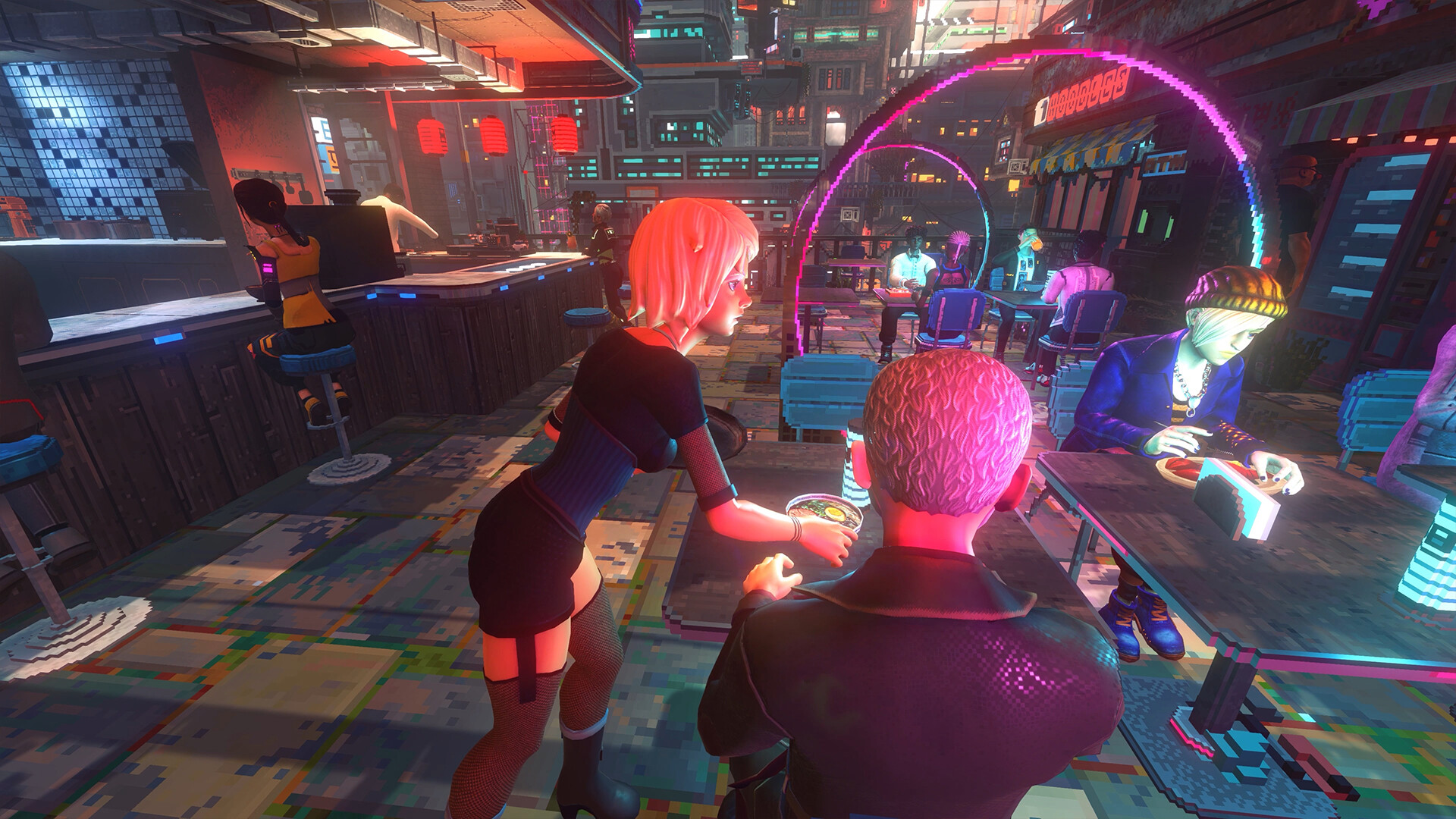
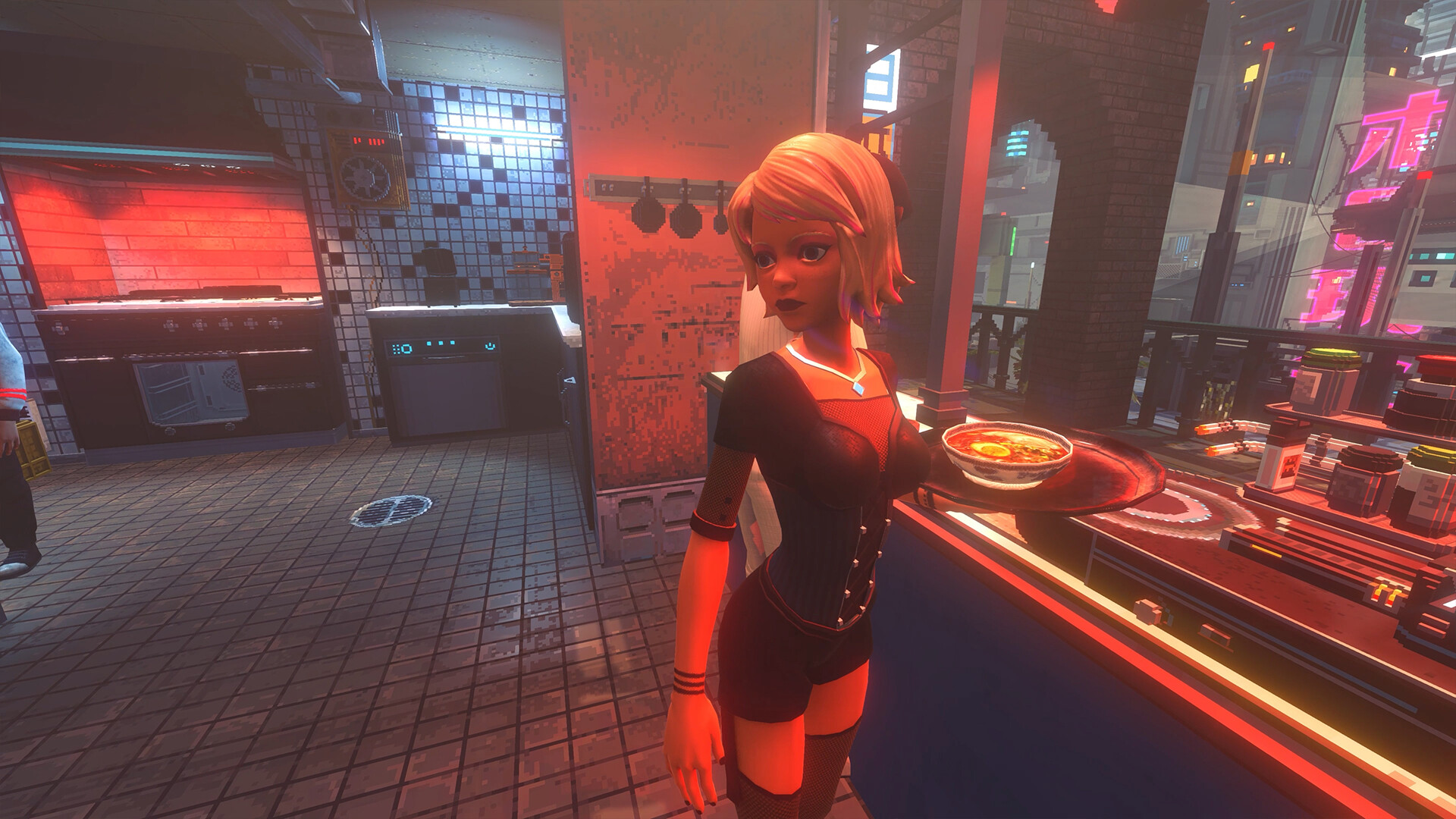
Restaurants, ramen bars, and nightclubs are the confirmed business examples. Ingredients can be bought or grown, which means business progression is likely tied to supply planning as well as venue ownership. The useful pre-release advice is to treat ingredients as the bridge between life-sim freedom and management efficiency.
Exact menu prices, staffing rules, revenue formulas, or supply timers are not public in the Steam data. Be careful with any calculator or money route before launch; the real questions are venue type, required inputs, operating cost, customer flow, staff needs, and risk exposure.
If ingredients can be grown at home or through a separate plot, the best early route may not be the route with the highest sticker revenue. It may be the route with the most stable supply. If buying ingredients is cheap and instant, business expansion may matter more than farming. Those are the first comparisons a real launch guide should make.
Relationships and Risk
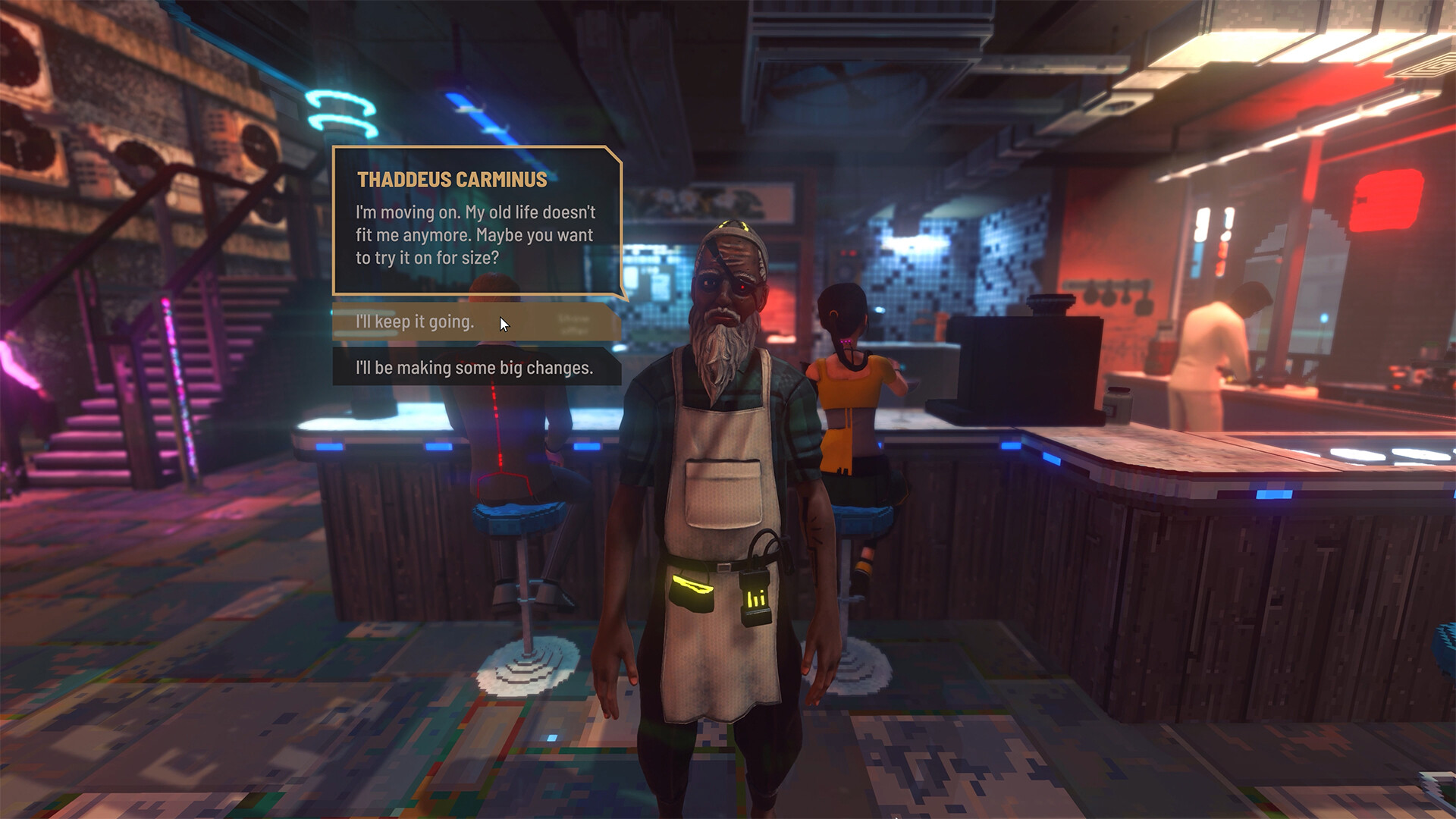
The social layer is not cosmetic. Official text links city residents, friendships, customer relationships, stories, and romance to the broader simulation. Character names, route details, and relationship thresholds should be treated carefully until they are shown by ION LANDS, 505 Games, Steam, or the launch build.
Curfew is the pressure valve. During curfew, players avoid security systems and may sabotage competitors. The official warning says consequences can return to the player. This points to a city that is not only cozy neon tourism: the management layer has rivalry, surveillance, and retaliation risk.
A strong launch wiki should treat social progress and curfew actions as real systems, not flavor text. The questions to answer later are who unlocks what, which relationships affect business options, how retaliation is triggered, and whether risky actions create permanent consequences.
If the game links customers, friends, enemies, and romance into the same city network, relationship pages should avoid isolated character blurbs. They should show where each person fits into business, activities, story access, and daily schedule.
Launch-Day System Checks
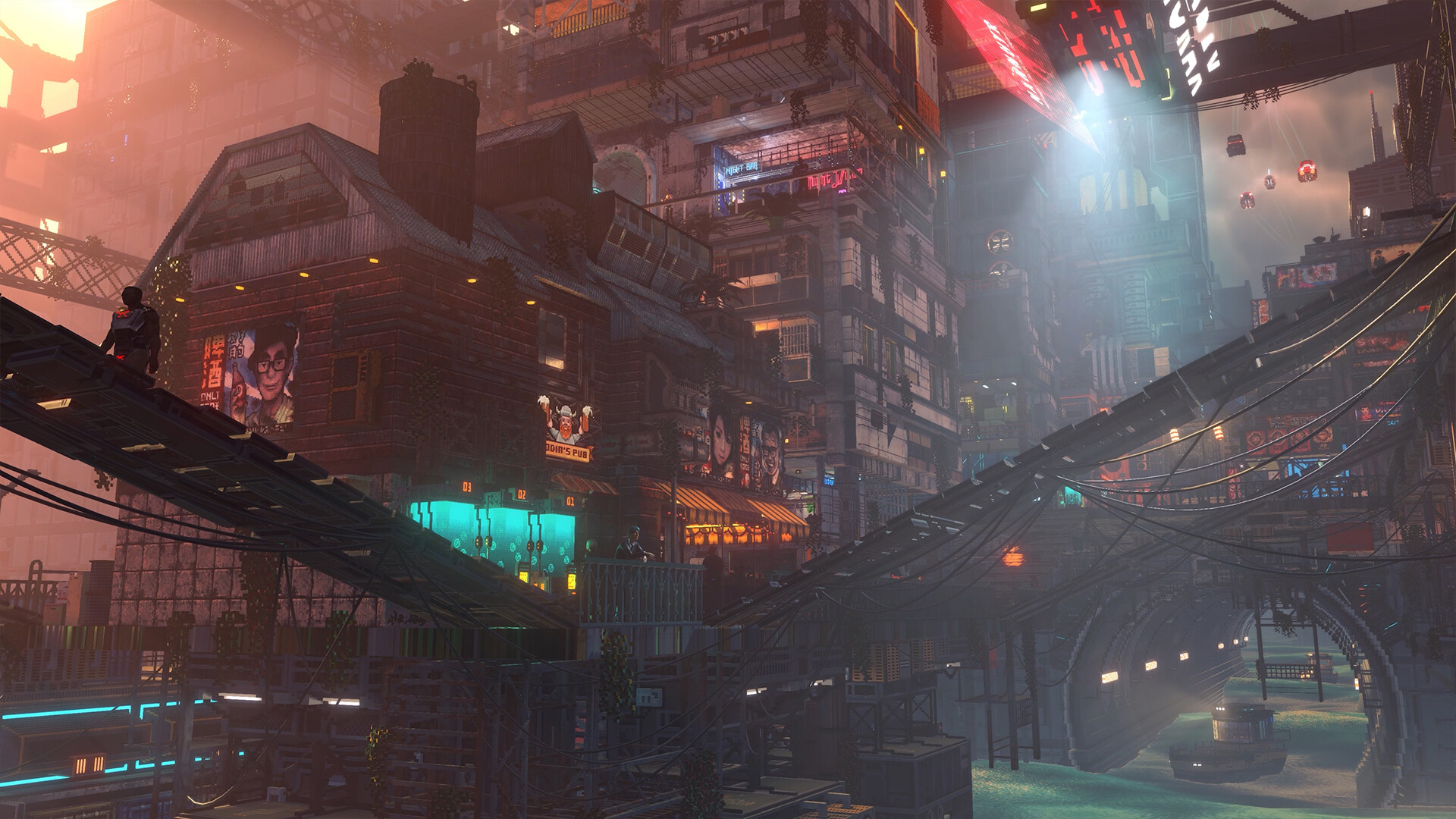
These checks are what turn a preview page into a real wiki after release. They are also useful now because they tell players what to look for in any new demo, stream, or official gameplay capture.
A useful launch update should explain priority, not only existence. If fishing supplies food businesses, it becomes part of an economy route. If it mostly rewards collection entries or friendships, it belongs in activity planning. If homes change storage or recovery, they are progression. If they are cosmetic, they are still useful, but in a different way.
- Does the game use clock time, stamina, calendar days, or free scheduling?
- Can ingredients be bought, grown, fished, gifted, stored, or sold?
- Do homes provide storage, social options, recovery, decoration score, or only cosmetic value?
- Which social choices affect business, story access, romance, or city reputation?
- What exactly happens when curfew security catches the player or a rival responds?
Player Priorities Before Launch
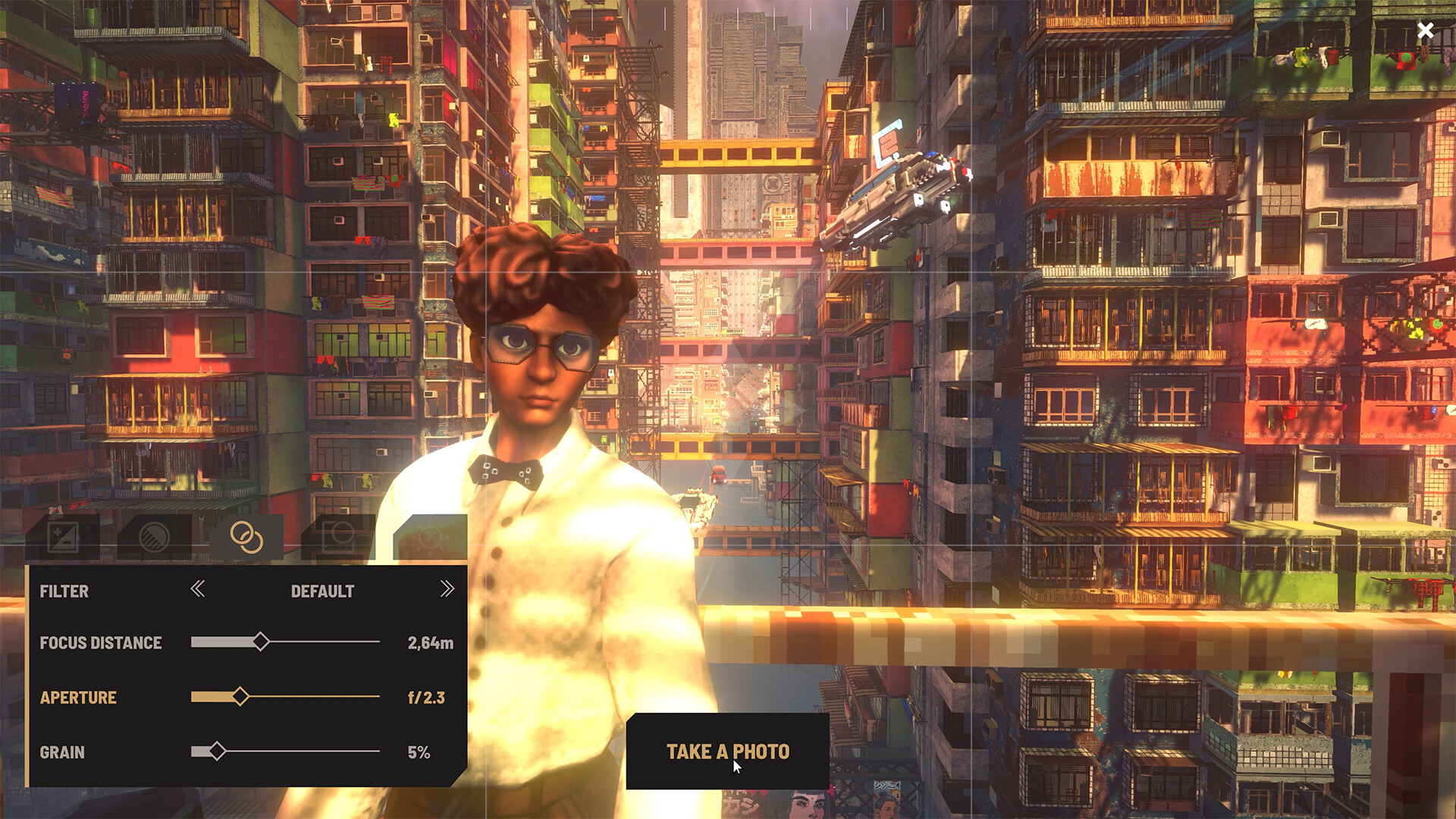
The safest pre-launch approach is to watch for evidence of constraints. Life-sims become interesting when time, money, space, relationships, and risk cannot all be optimized at once. Nivalis Nights already names enough systems to suggest those tradeoffs, but the exact pressure points are still hidden.
The first real guides should therefore answer simple priority questions: what earns early money, what unlocks movement, what improves social access, what makes business easier, what only changes style, and what carries punishment. Those answers are more useful than a long feature list because they help a player decide what to do next.
That priority layer is what separates a useful wiki from a brochure. A player does not only need to know that fishing exists. They need to know when it becomes worth doing, whether it competes with business time, and whether it unlocks anything else.