
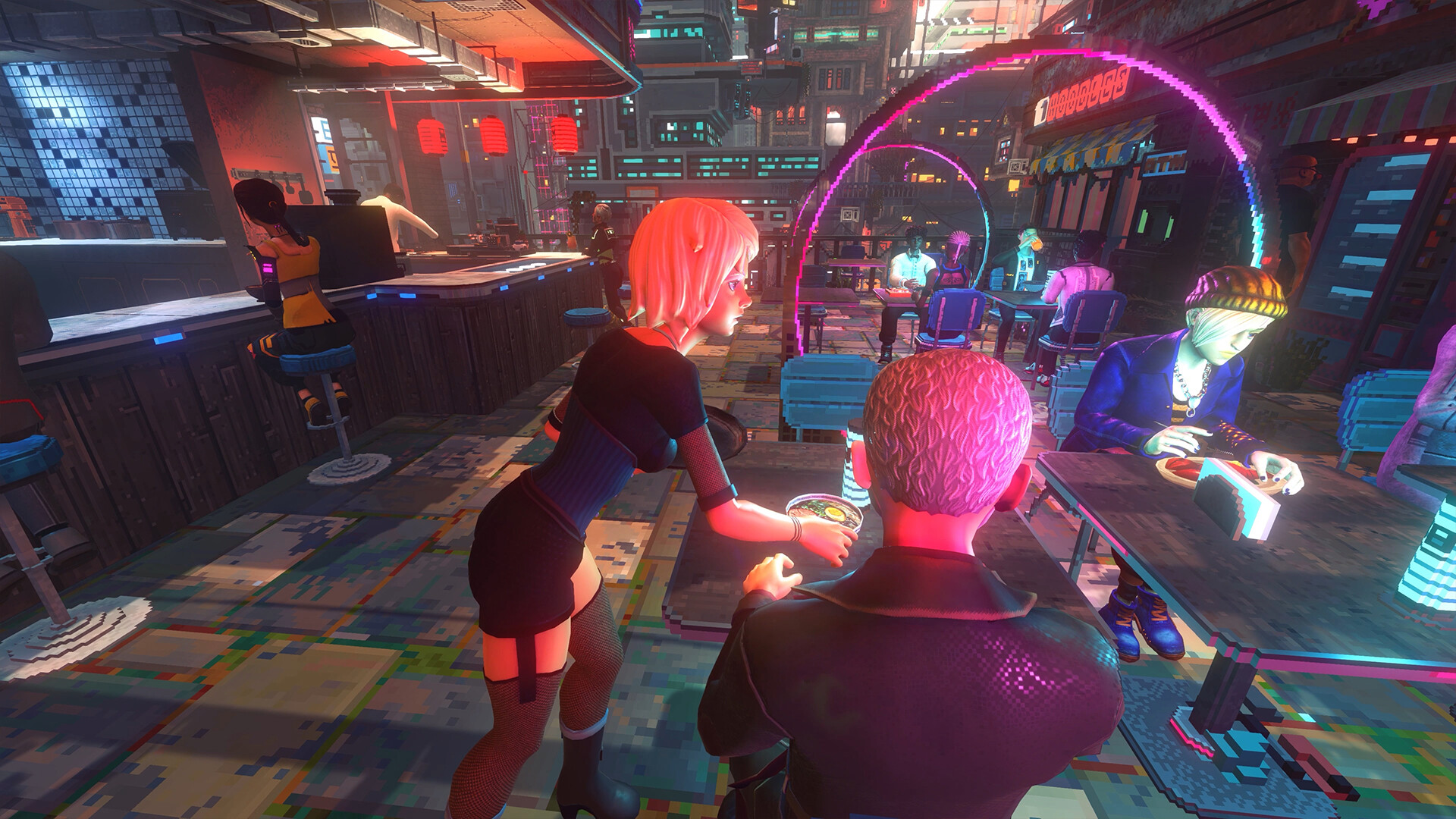
This glossary is a translation-safe reference for repeated player terms. It is especially useful because the game was renamed, uses a city name that also appeared as the older game title, and mixes business, life-sim, and cyberpunk-security language.
Before launch, the glossary should stay narrow. After launch, it can grow into a real index for districts, residents, activities, ingredients, venues, curfew rules, and relationship terms.
Key Terms
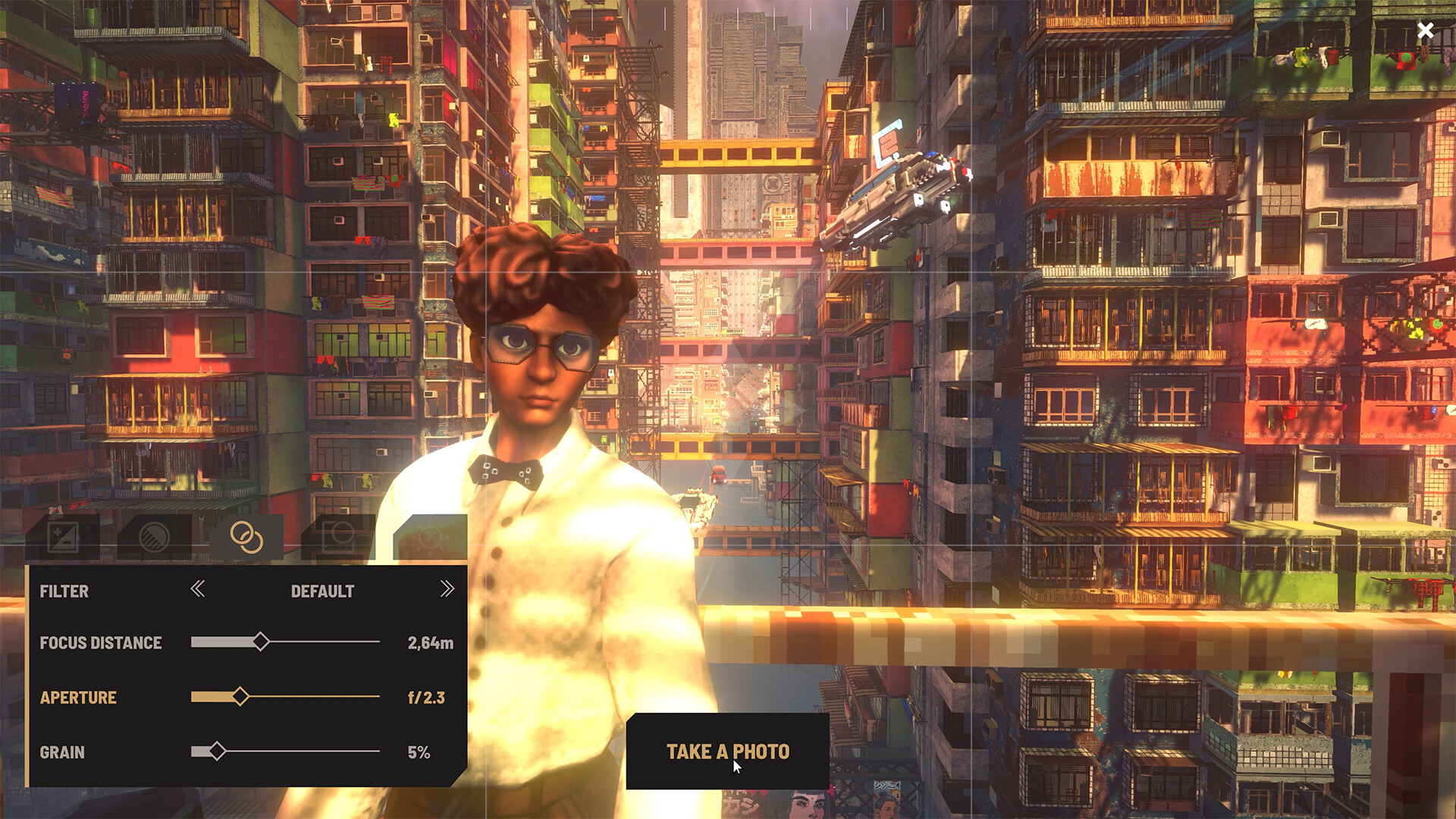
The glossary is especially useful for a renamed game. Players who remember Nivalis may search older terms, while new players will search Nivalis Nights. Both names point back to the same current Steam app.
After launch, this glossary should expand only when terms become recurring player questions. A one-off object from a trailer frame does not need a glossary entry. A named district, stat, relationship level, business license, fish type, or curfew penalty would. The best entries will be terms that affect decisions: where to go, what to buy, who to meet, and which risks to avoid.
The glossary also helps keep translations consistent. Product names, storefront names, developer names, and official system labels should not drift from page to page. If a localized Steam page uses a specific name, that local term can be recorded here before the full translation pass.
| Term | Meaning |
|---|---|
| Nivalis Nights | The current title of the cyberpunk slice-of-life simulation from ION LANDS and 505 Games. |
| Nivalis | The city setting and the game's former title before the current Nivalis Nights branding. |
| CorpSec | The security force referenced in official copy as part of the city's crackdown pressure. |
| Curfew | A night-risk condition where players avoid security systems and may sabotage competitors. |
| Ramen bar | One of the confirmed food business examples players can manage. |
| Nightclub | A later-scale nightlife business named in official marketing as part of the ambition arc. |
| Ingredients | Business inputs players can buy or grow, according to Steam and 505 Games feature text. |
| Cyberpunk chess | A high-stakes tournament activity listed in official feature copy. |
| Cloudpunk | ION LANDS' earlier game, connected by the city of Nivalis and useful for audience context. |
| Steam Cloud | A Steam category listed for the game, useful for players who move between PCs. |
| Family Sharing | A Steam category listed for the game. Store policy and account rules still apply. |
| Save Anytime | A Steam category shown for the game, but exact in-game save rules should be checked after launch. |
| Epic Games Store | A later storefront listed by 505 Games without a public release date. |
Localized Naming Notes
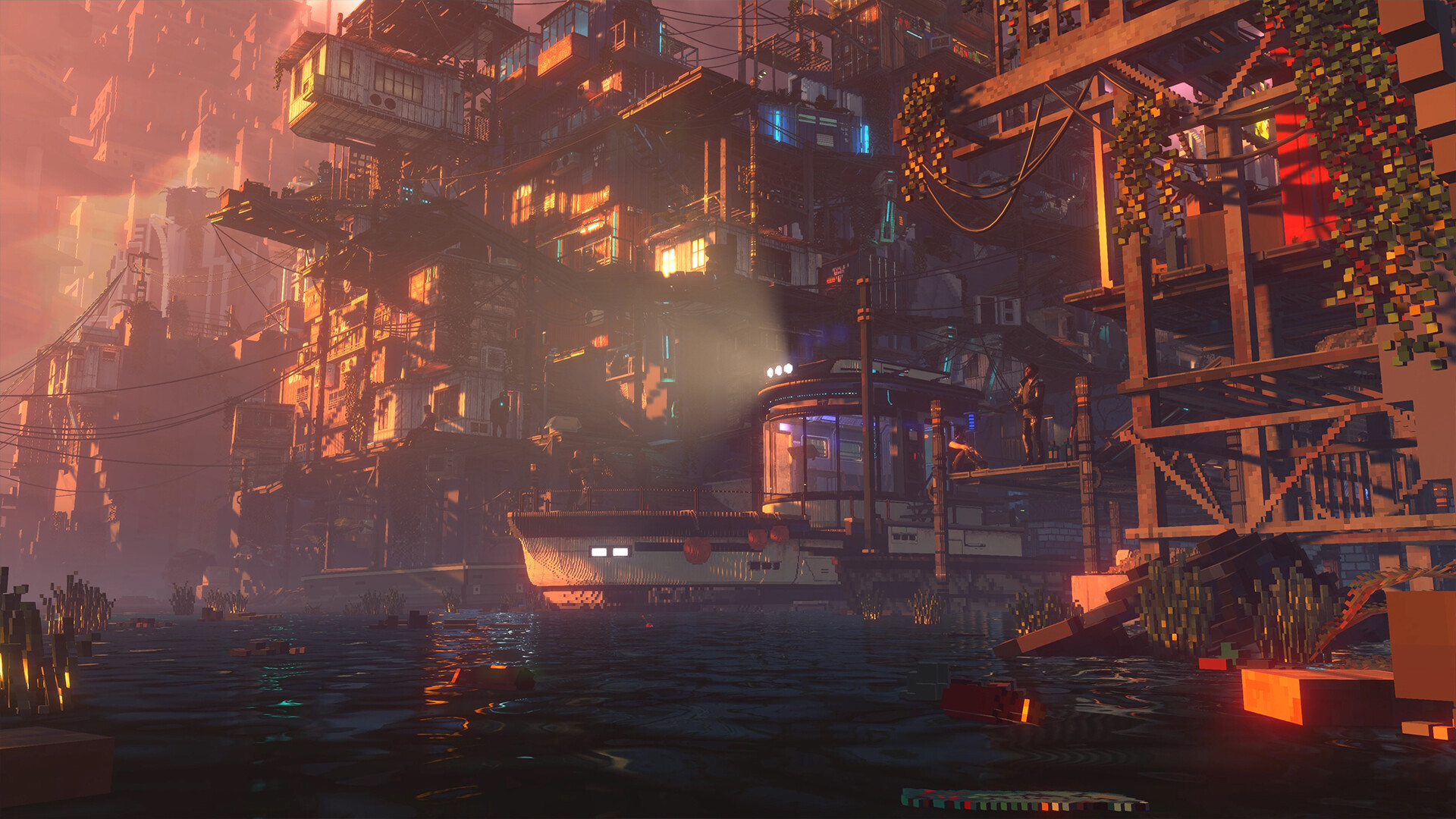
Steam's Simplified Chinese page displays a localized title beside Nivalis Nights, while Japanese and Korean store fields currently keep the English title. If you play in another language, use the title shown on your local Steam page.
For clarity, names such as Nivalis Nights, ION LANDS, 505 Games, Steam, Epic Games Store, CorpSec, and Cloudpunk should stay consistent unless an official localized source uses a specific variant.
Before translating the full site, this page should be treated as the term lock. Release date, platform names, business names, and system names should be translated once, then reused across guide pages so players do not see three different labels for the same mechanic.
A good localized wiki should preserve player search behavior. If local players search the English title, keep it visible. If the Steam page shows a localized title, include that wording where it helps discovery. The goal is clarity, not forced translation of every proper noun.
Terms to Add After Launch
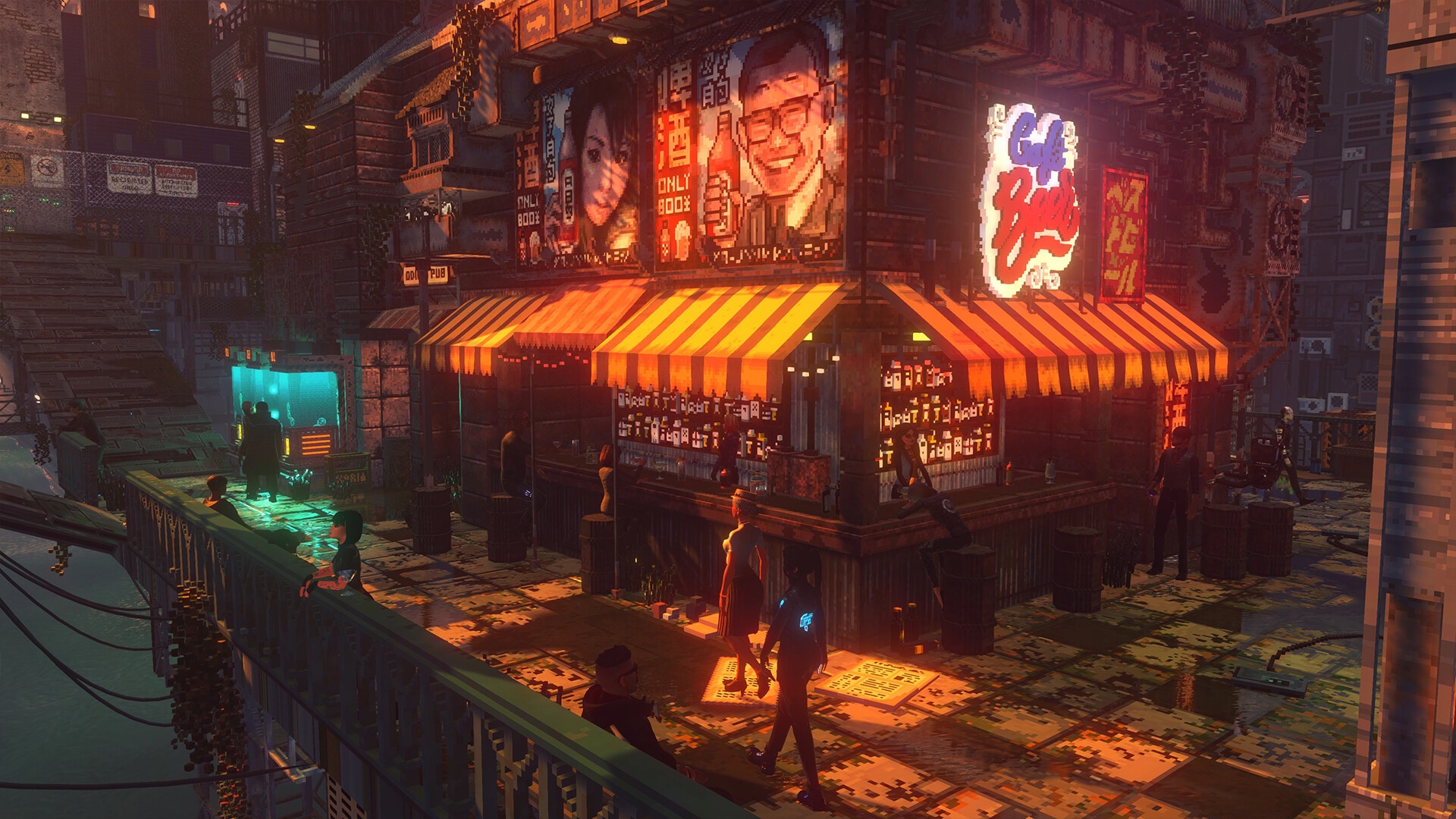
A glossary becomes useful when it points players back to action. New entries should link to the page where the term matters most: business, city activities, requirements, story, or FAQ. If a term has no gameplay or navigation value, it can stay out until players actually search for it.
The first launch pass should prioritize terms that block understanding: tutorial words, menu labels, venue types, activity names, warnings, and save or difficulty language. Decorative nouns can wait until players need them for quests, relationship routes, collection tracking, map navigation, achievements, or screenshots.
- Named districts, docks, shops, venues, and apartments.
- Resident names, relationship levels, romance terms, and story route labels.
- Ingredient categories, fish names, recipe terms, and business licenses if they exist.
- Curfew penalties, security device names, sabotage prompts, and rival terms.
- Mini-game names, chess tournament labels, achievement terms, and save-system wording.
Translation Handoff

Before multilingual publishing, this glossary should act as the small source of truth for locked names. Translators should preserve storefront names, developer and publisher names, platform categories, and official game terms unless the local Steam page provides a better localized wording.
After translation, each language should still feel like a player guide, not a literal mirror of English word order. The glossary helps by fixing repeated terms while allowing sentences, FAQ answers, and guide explanations to sound natural in each language.
If a term changes after launch, update the English glossary first, then update translated versions from the same decision. That prevents one language from keeping an outdated name while another language uses the current in-game wording. The glossary is the handoff point between guide writing, screenshots, source review, localization, future corrections, reader reports, and real play after launch. Keep it current.